
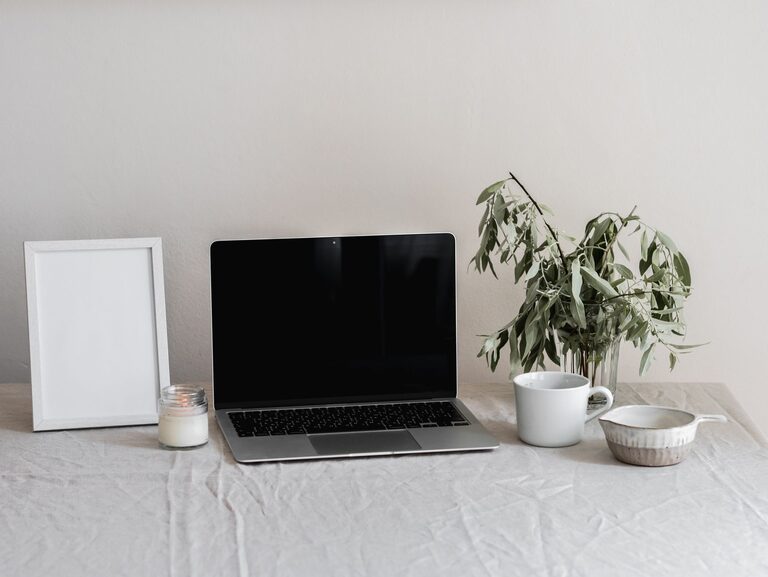
Creating a productive home office environment is essential for anyone who works remotely or spends significant time tackling tasks at home. A thoughtfully arranged workspace can boost focus, reduce stress, and improve your overall work experience. This guide offers practical tips to help you design a home office that fosters productivity and comfort.
Why a Productive Home Office Matters
Working from home offers flexibility but can also present challenges, such as distractions and lack of structure. Setting up a dedicated, well-organized workspace helps separate professional tasks from personal life, making it easier to concentrate and maintain work-life balance.
Choosing the Right Space
Select a Dedicated Area
Find a quiet corner or room that can be devoted to work activities. Having a designated spot signals to your brain that it’s time to focus and prevents work clutter from spreading into other areas.
Consider Lighting
Natural light is ideal because it reduces eye strain and enhances mood. Position your desk near a window if possible. Supplement with adjustable lighting, such as a desk lamp, to keep your workspace well-lit during cloudy days or evening hours.
Ergonomics and Comfort
Invest in a Good Chair and Desk
Comfort is key to staying productive. Choose an adjustable chair that supports your lower back and promotes good posture. A desk at the right height will prevent strain on your shoulders and wrists.
Arrange Equipment for Efficiency
Keep your computer, keyboard, and mouse within comfortable reach to avoid overextension. Use a monitor stand if needed to position your screen at eye level, reducing neck strain.
Organizing Your Workspace
Declutter Regularly
A clean workspace minimizes distractions. Sort through papers, supplies, and gadgets weekly, putting away what you don’t need. Use trays or organizers to keep items orderly.
Use Storage Solutions
Shelves, filing cabinets, and drawer organizers help manage documents and office tools. Label containers for quick access and to maintain organization over time.
Creating an Inspiring Environment
Personalize Tastefully
Add a few personal touches such as photos, plants, or artwork that inspire you without overwhelming the space. Green plants can improve air quality and bring a calming element to your office.
Minimize Noise and Interruptions
Use noise-cancelling headphones or play soft background music if ambient noise disrupts your focus. Communicate your work schedule with family or housemates to reduce interruptions.
Establishing Healthy Work Habits
Set Clear Boundaries
Define your work hours and stick to them to avoid burnout. When your workday ends, close your office door or shut down your computer to signal the transition to personal time.
Take Regular Breaks
Short breaks improve concentration and prevent fatigue. Consider techniques like the Pomodoro method—working for 25 minutes, then resting for 5.
Keep Hydrated and Move
Keep a water bottle at your desk and remember to drink regularly. Incorporate stretch breaks or quick walks to maintain energy levels and reduce stiffness.
Leveraging Technology Wisely
Use Productivity Tools
Apps and software can help manage tasks and schedules efficiently. Tools like calendars, to-do lists, and project managers assist in staying organized.
Maintain a Reliable Internet Connection
A stable and fast internet connection is crucial for virtual meetings and uploading or downloading work files. Consider upgrading your plan or using wired connections for better reliability.
Final Thoughts
Creating a productive home office environment is a personal process that combines physical setup with healthy habits. By choosing the right space, maintaining comfort, organizing efficiently, and managing your time wisely, you can make your home office a place where productivity thrives and work feels enjoyable.
Start small with changes that fit your needs, and adjust as you find what works best for you. A productive workspace is an investment in your professional success and well-being.